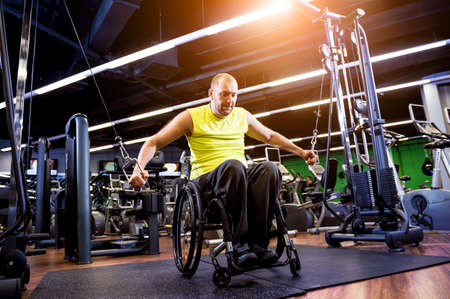
Introduction: Understanding Arthritis and Movement
Arthritis is a term that encompasses over a hundred different conditions affecting the joints, with osteoarthritis and rheumatoid arthritis being the most common types in the UK. According to recent statistics, around 10 million people in Britain live with arthritis or other musculoskeletal conditions, impacting their quality of life and daily activities. While age is a significant factor, arthritis can affect individuals across all age groups. One crucial aspect of managing arthritis effectively is movement. Regular physical activity has been shown to ease joint pain, increase mobility, and improve overall wellbeing for those living with this long-term condition. However, to gain these benefits safely, it is essential for arthritis patients to pay close attention to how they prepare for and recover from exercise sessions. Understanding the importance of warm-up and cool-down routines is fundamental in minimising discomfort and preventing injury, ensuring that movement remains a positive and sustainable part of arthritis management.
2. The Science Behind Warm-up Sessions
For those living with arthritis, a well-structured warm-up is not just a formality—it’s a vital component of any physical activity. A proper warm-up gently prepares the body for movement by gradually increasing heart rate and circulation, which in turn delivers more oxygen and nutrients to muscles and joints. This process is particularly beneficial for people with arthritis, as it encourages the production of synovial fluid, which acts as a lubricant within the joints, reducing stiffness and making movement smoother.
Key Physiological Benefits of Warming Up
| Benefit | How It Helps Arthritis Patients |
|---|---|
| Increased Joint Lubrication | Enhances flexibility and range of motion by stimulating synovial fluid production, easing joint stiffness. |
| Gradual Heart Rate Elevation | Lowers risk of cardiovascular stress and prepares the circulatory system for increased activity levels. |
| Improved Muscle Temperature | Warmer muscles are less prone to injury and can contract more efficiently, supporting joint stability. |
| Mental Preparation | Provides time to focus on movement technique and listen to your body’s signals before progressing further. |
Specific Considerations for Arthritis Sufferers
People with arthritis should take extra care to begin their warm-up slowly and gently. For instance, starting with simple range-of-motion exercises or light walking can be highly effective. It’s advisable to avoid sudden, vigorous movements that could exacerbate joint pain or inflammation. Gentle stretching, controlled arm swings, or slow cycling on a stationary bike are all good options. The goal is to encourage blood flow without overloading sensitive joints.

3. Warm-up Techniques Suitable for British Weather
Staying active is vital for arthritis patients, but the famously unpredictable British weather—often chilly, damp, or both—can present unique challenges. Adapting warm-up routines to local climate conditions ensures everyone can participate safely and comfortably, regardless of the season.
Why Adapt Warm-ups for the UK Climate?
The colder temperatures and higher humidity common in the UK can exacerbate joint stiffness and discomfort for those with arthritis. A well-tailored warm-up not only prepares muscles and joints for activity but also helps reduce the risk of flare-ups triggered by cold and damp environments.
Indoor Warm-up Routines
For days when venturing outside isn’t ideal, simple indoor warm-ups are highly effective. Gentle marching on the spot, seated leg lifts, or shoulder rolls can all be done in a small space. Utilising resistance bands or light household items as weights adds variety without requiring specialised equipment.
Outdoor Warm-up Adaptations
If you prefer outdoor exercise, wearing layered clothing is key to keeping joints warm from the start. Begin with slow walking or gentle arm swings before progressing to more dynamic movements like heel raises or side steps. Always pay attention to slippery surfaces after rain; prioritise safety above all.
Accessibility Tips for Year-round Activity
Community centres often offer accessible indoor spaces for group warm-ups during colder months. For those at home, setting a regular schedule and warming up near a radiator or heater can help ease stiffness. Remember, consistency is more important than intensity—especially when adapting to Britain’s ever-changing weather.
By thoughtfully adjusting warm-up routines to suit local conditions, arthritis patients across the UK can enjoy year-round activity with greater comfort and confidence.
4. The Role of Cool-down in Arthritis Management
After completing any form of physical activity, the cool-down phase plays a vital role in supporting the overall wellbeing of arthritis patients. Cooling down is not merely a routine conclusion to exercise; it is an intentional process that directly addresses the unique challenges faced by those living with arthritis. This section examines how incorporating proper cool-down techniques can help reduce stiffness, manage inflammation, and promote long-term joint health.
Reducing Stiffness Through Gradual Activity
One common issue for individuals with arthritis is post-exercise stiffness. By engaging in gentle movements such as slow walking or light stretching during the cool-down, muscles and joints have time to adapt from activity back to rest. This gradual transition helps prevent sudden tightness, making it easier to resume daily activities after exercise.
Managing Inflammation Effectively
Cool-down sessions also play a part in controlling inflammation. Gentle movements encourage blood flow, assisting the body’s natural recovery processes and reducing the risk of inflammation flare-ups commonly experienced by arthritis patients. Some may find that ending their session with controlled breathing or mindfulness techniques further supports relaxation and healing.
Key Benefits of Cool-down for Arthritis Patients
| Benefit | Description |
|---|---|
| Reduced Stiffness | Helps muscles and joints return to their resting state more smoothly |
| Inflammation Control | Improves circulation, aiding in the reduction of swelling and discomfort |
| Long-term Joint Health | Supports overall mobility and flexibility by maintaining healthy movement patterns |
| Mental Wellbeing | Encourages relaxation and stress reduction post-activity |
Promoting Long-term Joint Health
Establishing a consistent cool-down routine is crucial for maintaining joint function over time. Regularly practising these sessions helps preserve range of motion, which is particularly important for those managing chronic conditions like arthritis. It also fosters positive habits, reinforcing the importance of self-care and proactive management of symptoms.
5. Recommended Cool-down Strategies
After physical activity, especially for those managing arthritis, a proper cool-down is just as vital as the warm-up. In the UK, where daily routines and climate can influence exercise habits, it’s important to adopt gentle, effective cool-down strategies tailored to local lifestyles. Cool-downs help gradually lower heart rate, reduce muscle stiffness, and support joint health—making them essential for arthritis management.
Gentle Stretching
Begin with light stretching of major muscle groups, focusing on areas most engaged during your activity. For example, after a brisk walk in the park or along the canal, try slow calf and hamstring stretches while standing or sitting on a sturdy bench. Hold each stretch for around 15–30 seconds without bouncing, maintaining a comfortable tension rather than forcing any movement. This approach helps release muscle tension and improves flexibility without putting unnecessary strain on sensitive joints.
Joint-Friendly Mobility Movements
Incorporate gentle mobility exercises such as shoulder rolls, ankle circles, and wrist rotations. These movements are ideal for arthritis patients because they maintain range of motion and stimulate synovial fluid production within the joints, which is particularly beneficial in damp or cold British weather conditions that might exacerbate stiffness.
Mindfulness-Based Relaxation
Cool-downs should also include mindfulness-based relaxation techniques. Find a quiet spot—perhaps your living room, garden shed, or even a peaceful corner of your local community centre. Try controlled breathing exercises: inhale slowly through the nose for four counts, hold for two counts, then exhale gently through the mouth for six counts. Pair this with guided imagery or progressive muscle relaxation to ease both body and mind.
Integrating into Everyday UK Life
Choose cool-down activities that fit seamlessly into typical British routines. For instance, after gardening or a gentle swim at the local leisure centre, spend five minutes doing these stretches and relaxation practices before enjoying a well-earned cup of tea. If you use public transport or walk regularly in urban environments, brief standing stretches at home can help reduce post-activity soreness.
The key is consistency and gentleness: avoid abrupt stops after exercise and always listen to your body’s signals. By adopting these UK-friendly cool-down strategies, arthritis patients can better manage symptoms and promote long-term joint health.
6. Tips for Building Consistent Habits in a UK Context
Establishing regular warm-up and cool-down routines can be challenging, especially when living with arthritis and the unpredictable British weather. However, integrating these important sessions into daily life is not only possible but essential for long-term joint health and comfort. Here are some practical tips tailored to the UK context:
Start Small and Build Gradually
Begin with short, manageable sessions—just five minutes before and after activity can make a difference. As you become more comfortable, gradually increase the duration and complexity of your exercises. Remember, consistency matters more than intensity.
Make Use of Everyday Opportunities
Incorporate warm-up movements into your daily routine. For example, do gentle stretches while waiting for the kettle to boil or during television adverts. Cool-down sessions can be paired with winding down in the evening, such as after a walk or gardening session.
Adapt to the British Climate
The UKs weather can be unpredictable, but this needn’t disrupt your habits. On colder days, perform your routines indoors where it’s warm—perhaps in your lounge or bedroom. Layer up if you prefer to exercise outside, and use non-slip mats if floors are damp.
Use Reminders and Support Networks
Set reminders on your phone or write prompts on sticky notes placed around your home. Sharing your goals with family or friends—perhaps even joining a local support group—can help keep you motivated and accountable.
Embrace Local Resources
Many community centres across the UK offer arthritis-friendly exercise classes that include structured warm-ups and cool-downs. Attending these can provide both guidance and social encouragement, making it easier to stay committed.
Reward Yourself for Consistency
Acknowledge each milestone. Whether it’s enjoying a cup of tea after completing your routine or marking progress on a calendar, small rewards help reinforce positive behaviour.
By weaving warm-up and cool-down activities into everyday life—and adapting them to suit the realities of living in the UK—you can effectively manage arthritis symptoms and maintain mobility all year round.